
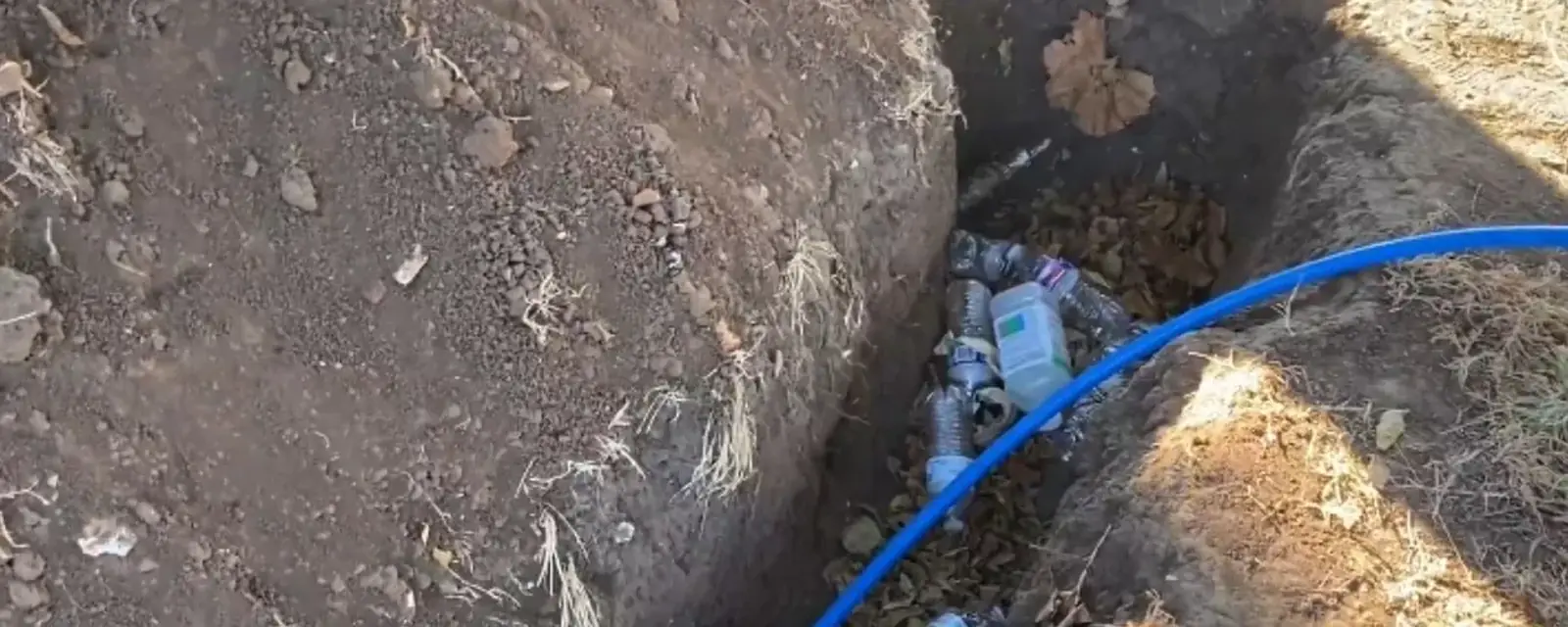
Most leaks are found by a homeowner noticing something small. A stain, a smell, a bill or a sound is the first sign, and a quick check can tell you whether it is time to call.
This guide walks through the checks, then explains how to confirm a plumber is licensed in New Jersey.
Five checks you can do in ten minutes
Look under every sink for moisture or stained wood. Check the base of each toilet. Look at the ceiling below bathrooms and the walls near the water heater. Check the water heater pan and the pressure relief discharge pipe. Walk the yard and note soggy spots.
Then shut everything off and watch the meter or listen to the well pump, as described in leak detection.
Warning signs and what they suggest
Signs and next steps.
| Sign | Possible cause | Next step |
|---|---|---|
| Pump runs with fixtures off | Leak downstream | Isolate zones and call |
| Brown or cloudy water | Old pipe or sediment | Test the water, consider repiping |
| Wet spot in yard | Service line leak | Call, expect a mark-out before digging |
| Musty smell | Slow leak or damp basement | Find the source |
Hiring a licensed plumber in New Jersey
New Jersey allows plumbing work only by a master plumber, an authorized plumbing contractor or their employees. The state's Division of Consumer Affairs runs a License Verification System, and its hotline is (973) 504-6200 or (800) 242-5846.
Ask any plumber for their license details and check them yourself. State rules also require a master plumber's name, license number and New Jersey address on advertising, vehicles and stationery, so a company that shows none of that is worth a second question.
Know your shutoffs
Find the main water shutoff and test it once a year. On a well system, know where the pump breaker and the pressure tank isolation valve are. Label each one, and make sure everyone in the house knows.
Individual stop valves under sinks and behind toilets let you isolate a single fixture. If they are stuck or leaking, have them replaced before an emergency.
Reading your water bill or pump
On public water, compare the bill to a normal month. A steady rise without a change in use is a reason to check. On a well, listen to the pump and look at how often the pressure tank cycles.
A pump that runs more than usual wears out sooner, and the hidden cost of a leak is often the pump, not the water.
Seasonal habits that prevent calls
Before winter, disconnect hoses, shut off outdoor spigots and insulate pipes in unheated spaces. In spring, check the sump pit and the basement for damp spots. After heavy storms, look at the yard for new soft areas.
A short annual walk-through finds small problems while they are still cheap.
Questions to ask a plumber before work starts
Ask for a clear price in writing before work begins and ask what happens if the job grows. Ask how the plumber handles permits, how long the work will take and who warrants the repair.
A plumber who answers these directly is easy to work with. One who dodges them is not.
Keep a simple home plumbing record
Write down where the main shutoff is, what kind of pipe you have, when the water heater was installed and any past leaks. Keep photos of repairs and the name of the plumber.
That record helps the next plumber, supports insurance claims and adds value when you sell the house.
Words worth knowing
A stop valve isolates a single fixture. A main shutoff isolates the house. A pressure tank holds pressure on a well system. A cleanout is the capped opening that lets a plumber reach the drain line.
Knowing these four terms helps you describe a problem clearly on the phone, which speeds up the visit.
What to do in the first hour of a leak
Shut off the water at the main, open a low faucet to drain the lines and move valuables away from the wet area. Turn off power to the area only if you can do so safely.
Take photos for insurance before you clean up, then call a plumber. Call your insurer the same day.
Local notes for West Milford
West Milford has its own mix of water supplies and rules.
Groundwater is the main source
The township groundwater study says groundwater is the primary drinking water source, with a median domestic well depth of 163 feet and a median yield of 7 gallons per minute.
Permits
The Department of Building Safety at 1480 Union Valley Rd handles permits, with plumbing under its own subcode.
Septic
About 72 percent of soils carry severe septic limitations according to the same study.
Before you dig
NJ One Call at 811 marks utilities, with at least three full business days of notice.
If you live in Kinnelon or Ringwood, local rules may differ, so ask your own borough office.
When to call right away
Shut off the main and call if water is spraying, a ceiling is sagging with water, sewage is backing up or you smell gas. For gas, leave the building and call the utility from outside.
Plumbing and leak questions
How do I check my well for a leak?
Turn off all fixtures and listen for the pump. If it keeps cycling, a leak is likely.
Is a high water bill always a leak?
No, but a bill that rises without a change in use is a reason to check.
Should I shut off water when I leave for a week?
Many homeowners do, especially in winter.
Where do I verify a license?
Through the New Jersey Division of Consumer Affairs License Verification System.
What should be on a plumber's estimate?
The scope, the parts, the labor, any permit cost and the terms of the warranty.
Do I need a permit for a repair?
Many simple repairs do not, but larger work does. Ask the West Milford building department.
What code do New Jersey plumbers follow?
The state plumbing subcode adopts the National Standard Plumbing Code in N.J.A.C. 5:23-3.15, and plumbers must be licensed to do the work.