
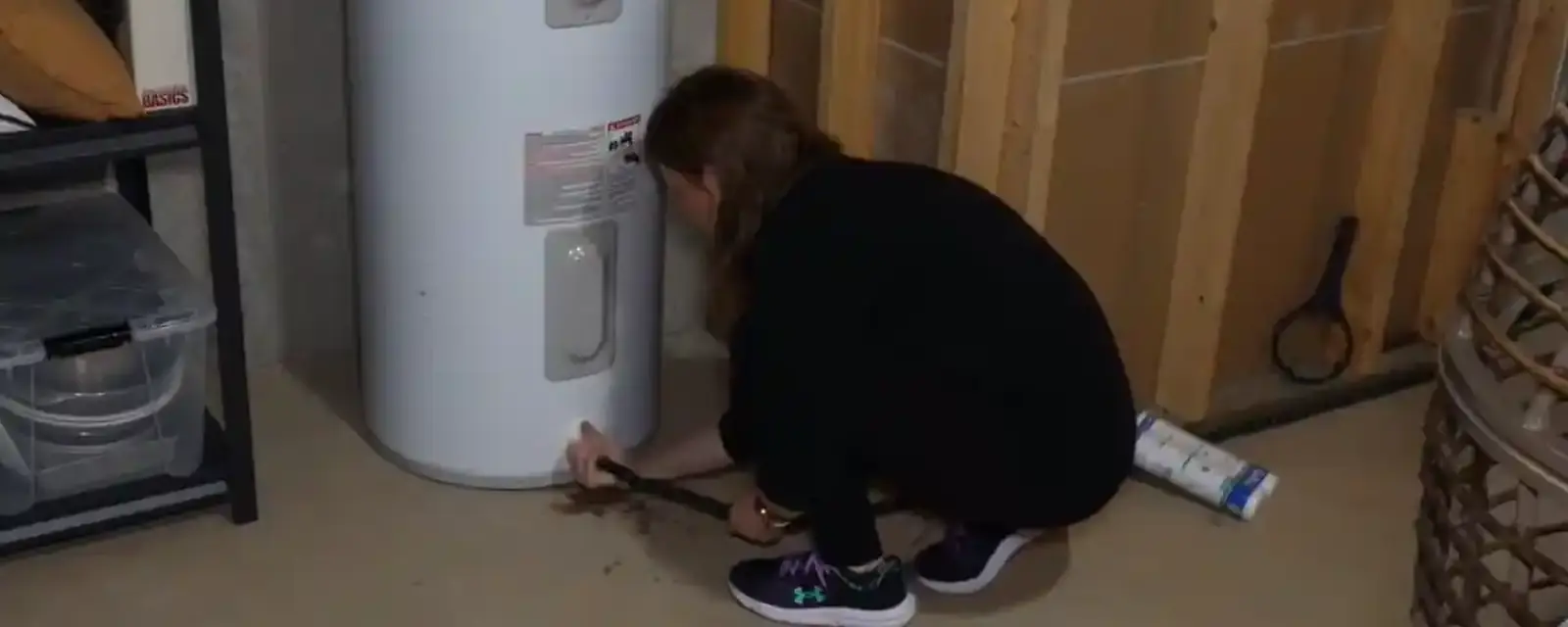
A gas water heater lights its burner with a standing pilot or an electronic igniter. When either fails, the tank goes cold, usually at the least convenient time.
Some checks are safe for a homeowner. Gas work is not, and if you smell gas, leave the house and call the gas utility from outside.
Pilot light and electronic igniter
A standing pilot flame is heated by a small thermocouple, and if the flame goes out or the thermocouple fails, the gas valve closes. Newer heaters use an electronic igniter with a flame sensor that proves the flame before the gas opens.
Dirt, a weak thermocouple, a clogged pilot orifice and drafts are the common reasons for a failure. A dirty flame sensor is the usual culprit on electronic models.
Symptoms and likely causes
Quick reference.
| Symptom | Likely cause | Who fixes it |
|---|---|---|
| Pilot will not stay lit | Thermocouple or gas control | Plumber |
| Clicking, no flame | Igniter or gas supply | Plumber |
| Flame lights then dies | Flame sensor or draft | Plumber |
| No power to electronic unit | Switch or breaker | Homeowner can check |
Safe checks before you call
Make sure the gas supply valve is open, the unit's power switch is on and the breaker has not tripped. Check that the temperature dial is not on the lowest setting. Look for a tripped reset button on a high-limit switch.
Do not remove the burner cover, bypass the thermocouple or relight repeatedly. If the heater is old or leaking, see water heater repair for the next step, or water heater replacement if the tank is done.
What a plumber does on the visit
The plumber tests the gas supply, checks the pilot assembly or igniter and measures the thermocouple output. The flame sensor is cleaned or replaced, and the gas valve and thermostat are tested.
After the repair, flame color, draft and venting are checked, and the plumber shows you how to relight the unit if that applies.
Signs the heater is near the end
Rust at the base, water around the tank, rust-colored hot water and a tank much older than about a decade are signs to think about replacement. Repairs on such a tank may be short-lived.
A plumber can give you a straight view of repair versus replacement based on the tank's condition.
Reducing future igniter trouble
Keep the area around the heater clear of dust and lint, and do not store paint, cleaners or aerosols nearby. Flush the tank yearly, and keep the burner chamber free of debris.
A heater in a damp basement benefits from a raised platform, which keeps the base dry and cooler air out of the burner chamber.
Gas versus electric when the burner fails
An electric tank has no igniter, so the equivalent problem is a failed element or thermostat. A gas tank has a more complex start-up sequence, which makes it more sensitive to drafts and dirt.
If you are deciding between fuel types for a replacement, the installation page compares them.
Carbon monoxide and gas safety
A gas appliance that burns poorly can produce carbon monoxide, which has no smell. A working carbon monoxide alarm near the heater and near bedrooms is inexpensive protection.
Soot on the draft hood, a yellow or lazy flame and a heater that backdrafts are reasons to shut it off and call right away.
Questions the plumber will ask on the phone
Is the heater gas or electric? Does it have a standing pilot or an electronic igniter? Is there any smell of gas? When did the hot water stop, and has anything changed in the house?
Having those answers ready helps the plumber bring the right parts and decide how urgent the visit is.
Questions for a plumber about repair versus replacement
Ask how old the tank is, whether the tank itself shows any rust or leaks and what other parts may fail soon. A tank at the end of its life may not be worth a new igniter.
A fair answer includes the cost of the repair, the cost of replacement and the remaining life you can expect from each.
Local notes for West Milford
Fuel and water both shape these repairs.
Propane is widespread
Many properties use propane, and the township plumbing inspector inspects LP gas tanks, so gas work should be permitted.
Hard water
Ringwood lists hardness up to 191 parts per million in its 2024 water report, and scale insulates the burner chamber on gas tanks.
Well sediment
Sediment from wells collects at the base of tanks and can foul the burner area.
Cold basements
Long Highlands winters can create drafts that blow out a pilot in an unheated space.
Why scale and sediment matter
A tank that rumbles is boiling trapped sediment. Flushing the tank and checking the anode rod help extend the life of the heater and keep the burner area clean.
Igniter and pilot questions
Is it safe to relight a pilot myself?
If the heater has clear instructions and you smell no gas, many people do. Never repeat attempts if it keeps failing.
What does a thermocouple do?
It senses the pilot flame and keeps the gas valve open.
What if I smell gas?
Leave the house, do not use switches or phones inside and call the gas utility.
Does a new igniter fix everything?
If it is the cause, yes. The plumber also checks the sensor and venting.
How long does an igniter last?
It varies by model and use. Dirt and moisture shorten its life.
Can a draft blow out the pilot?
Yes. Drafts from a door, a vent or a nearby fan can disturb it.
Which standard covers gas appliance repairs?
Gas piping and venting follow the National Standard Plumbing Code as adopted in N.J.A.C. 5:23-3.15, and the manufacturer's instructions govern the igniter and controls.