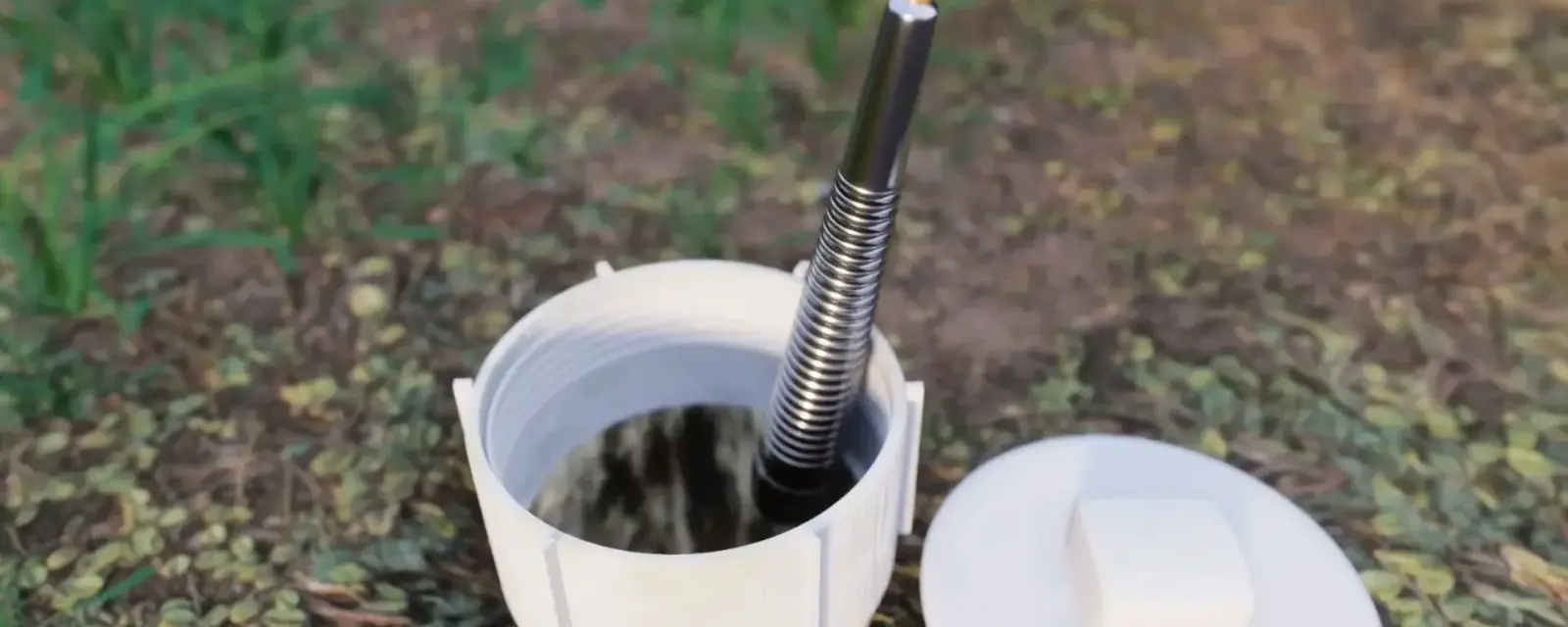
A sewer camera inspection puts a small waterproof camera on a flexible rod and pushes it through the line from a cleanout. The picture shows pipe material, joints, cracks, roots, sags and any standing water.
People book it for three common reasons. The first is a repeat clog, the second is a home purchase and the third is a plan for repair where the plumber needs to know exactly what is down there.
If a line is backed up right now, the plumber clears it first through emergency sewer line cleaning and then looks at the pipe afterwards.
What the camera can show
Roots appear as fine hairs or thick masses at joints. Cracks look like dark lines, and a belly shows as water standing where the pipe should drain. An offset joint looks like a step in the pipe, and scale shows up as a rough, uneven wall.
The plumber notes the distance to each defect, so a repair can be planned around the real location rather than a guess.
When an inspection is worth it
Not every house needs one.
| Situation | Why a camera helps |
|---|---|
| Repeat clogs in the main | Finds roots, scale or a belly causing it |
| Buying an older home | Shows the condition of a line you cannot see |
| Before a repair or lining | Maps the defect and the pipe size |
| Slow drains after a storm | Shows whether groundwater or roots are entering |
Buying a home near the lakes
West Milford has many older homes, including cottages from lake communities that have been converted to year-round houses. Their sewer or septic connections may predate current practice.
A camera look before closing tells you what condition the line is in, and if it needs work, a repair under sewer line repair can be priced from the footage.
Septic versus sewer
If the house is on septic, the camera looks at the pipe between the house and the tank. The tank and field need a separate inspection by an appropriate septic professional, and the township's Health Department, at 1480 Union Valley Rd, handles septic matters.
Preparing for the visit
Clear the area around the cleanout and tell the plumber about any past backups, new slow drains or work done on the line. If you have an old drawing or inspection report, have it ready.
Avoid running the washer or dishwasher right before the plumber arrives, since standing water in the line can hide detail on the camera.
Reading the inspection results
The plumber ties each finding to a distance from the cleanout, so you know where a defect sits relative to the house, the driveway and the trees. A minor root intrusion at one joint is a maintenance matter, while an offset joint with a long sag is a repair.
Ask for the footage on a drive or by email. If you later hire anyone else to repair the line, the same recording saves a second inspection.
What to do before the camera visit
Clear the area around the cleanout, avoid running laundry and keep pets away from the opening. Do not remove the cleanout cap yourself if sewage may be under pressure.
If sewage is backing up into the house, call the emergency line instead.
What affects the price of an inspection
Inspection prices are straightforward.
Access
A clear cleanout makes the job faster.
Length of the line
Long runs take longer to survey.
Cleaning first
A heavily blocked line may need cleaning before the camera goes in.
Recording and report
A copy of the footage is useful for repairs or a sale.
Time of the call
Scheduled weekday visits are priced differently from after-hours.
We give a clear price before work starts. The real number takes one call.
Sewer camera inspection questions
Will I get to see the footage?
Yes. The plumber reviews the video on site and can note the distances to any defects.
How long does an inspection take?
A short line with good access is quicker than a long line or one that needs cleaning first.
Can a camera inspect a septic tank?
The camera checks the line leading to the tank. The tank itself needs a separate septic inspection.
Do I need a cleanout?
It helps a lot. If there is none, the plumber can discuss installing one.
Is it worth doing before buying a house?
For an older home, many buyers find it useful, because sewer repairs can be large.
Does a camera inspection follow a standard?
The inspection is a visual survey, so the useful standard is a clear recording with distances noted. Any repair afterward follows the National Standard Plumbing Code that New Jersey adopts in N.J.A.C. 5:23-3.15.